
🍽️ RecipesFeatured
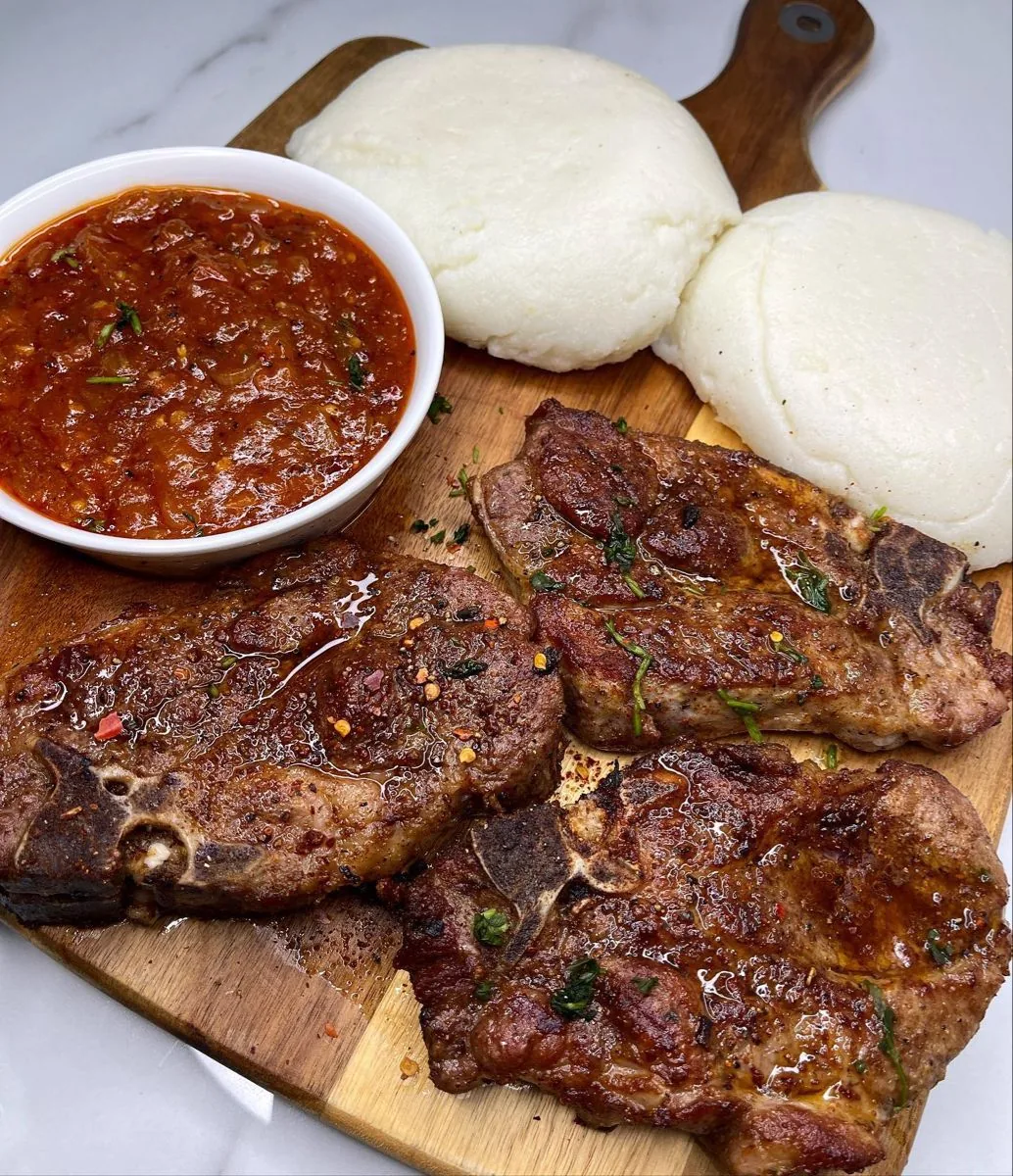
How to Cook Soft, White Ugali Every Single Time
The right water-to-flour ratio, the right stirring technique and seven minutes of patience — here is how Kenyan cooks get smooth, glossy ugali every time.
22 July 20262 min read
Recipes from our test kitchen, nutrition guidance for Kenyan families, feeding programmes for dairy and poultry farmers, farming insights from Mwea, and news from our mills. Siri ni Nice, jinice na Nice.
The right water-to-flour ratio, the right stirring technique and seven minutes of patience — here is how Kenyan cooks get smooth, glossy ugali every time.
The right water-to-flour ratio, the right stirring technique and seven minutes of patience — here is how Kenyan cooks get smooth, glossy ugali every time.
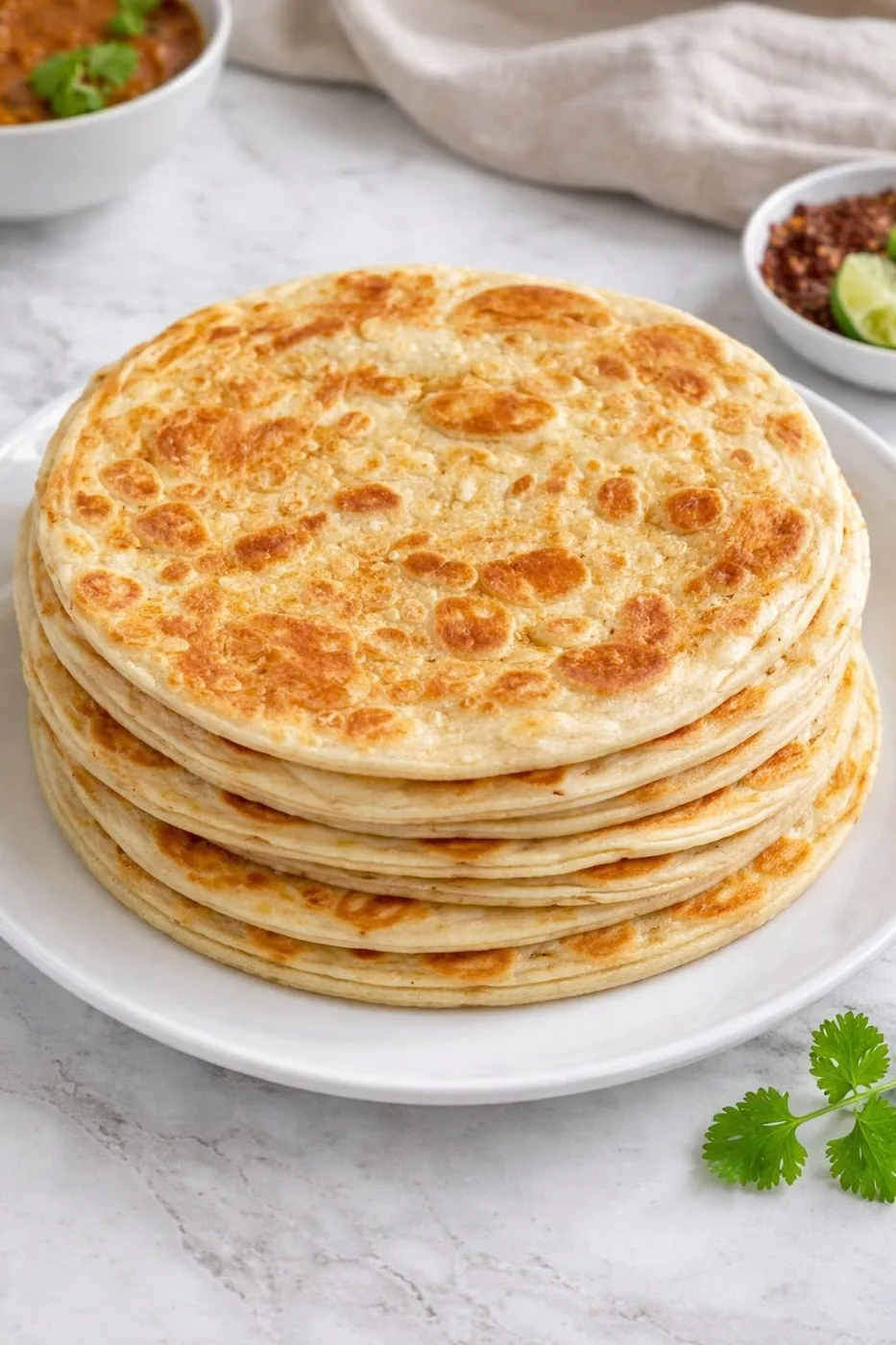
Soft chapati is 20% recipe and 80% technique. Here is the dough, the rest and the rolling method that produce those distinct, peelable layers.

Fortification adds essential vitamins and minerals to flour without changing how it cooks or tastes. Here is why that matters on a Kenyan plate.
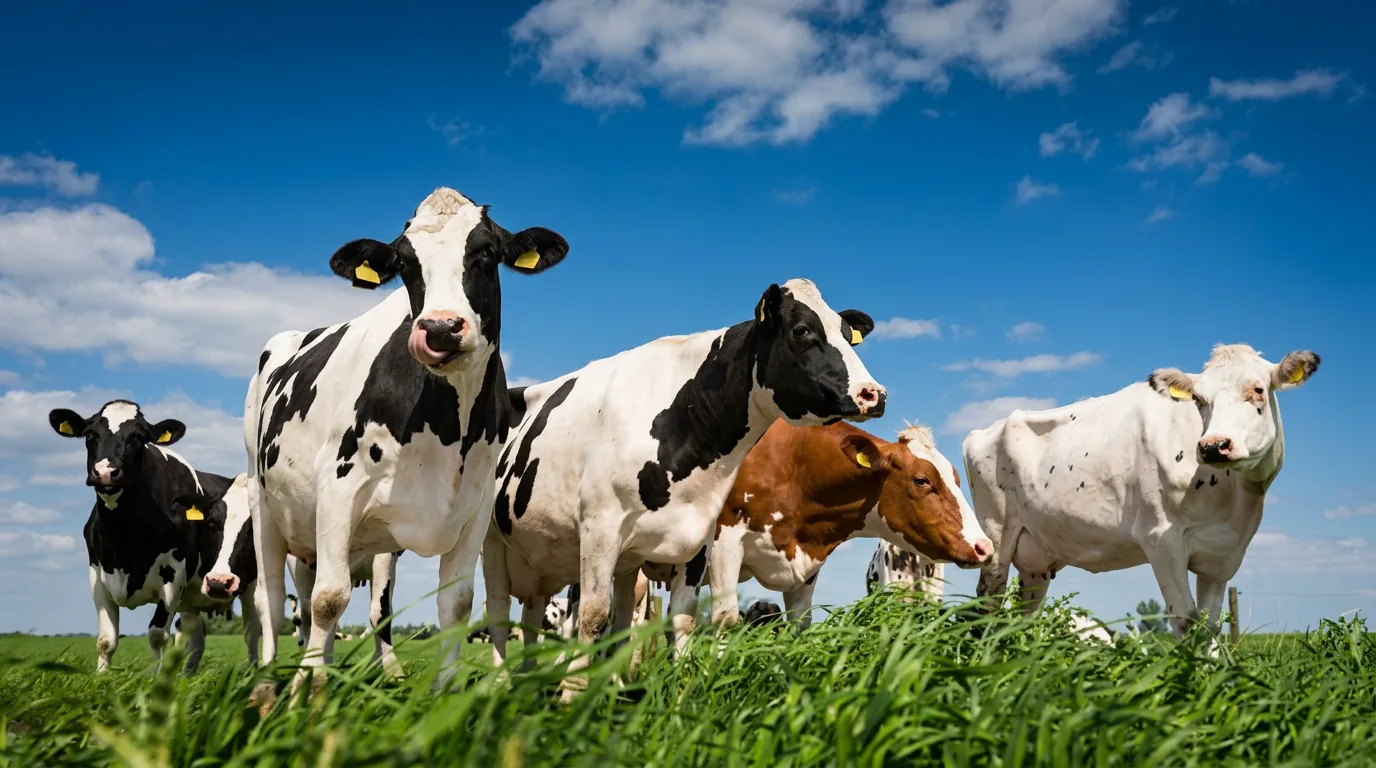
Feeding rates, timing and the forage balance that separate a 10-litre cow from a 20-litre cow on the same farm.
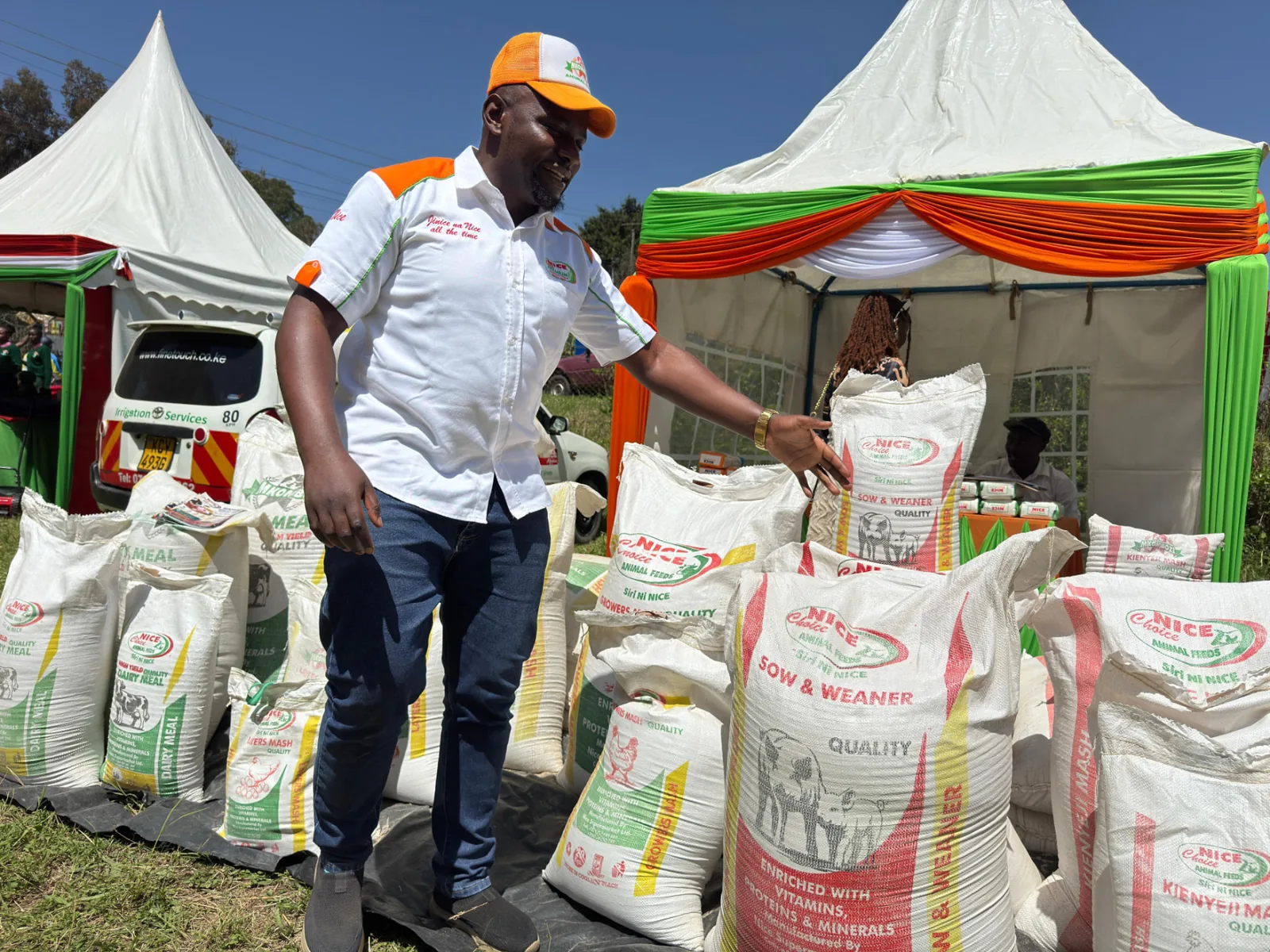
Which mash to feed at which age, how much to budget per bird, and the switch timing that protects egg production.

Aroma, grain length and ageing. A look at why Pishori from the Mwea plains commands a premium — and how to cook it properly.

Spacing, water timing and post-harvest drying decide whether an acre pays. Notes from the farms we buy from.

Local jobs, farmer partnerships and school support — how the mill invests back into Mwea and Kirinyaga County.

Pack sizes, order routes and territory terms for shops, wholesalers and distributors who want to carry the brand.

Recognition for a Kenyan manufacturer built in Mwea — and what the award says about consistency across every bag we mill.