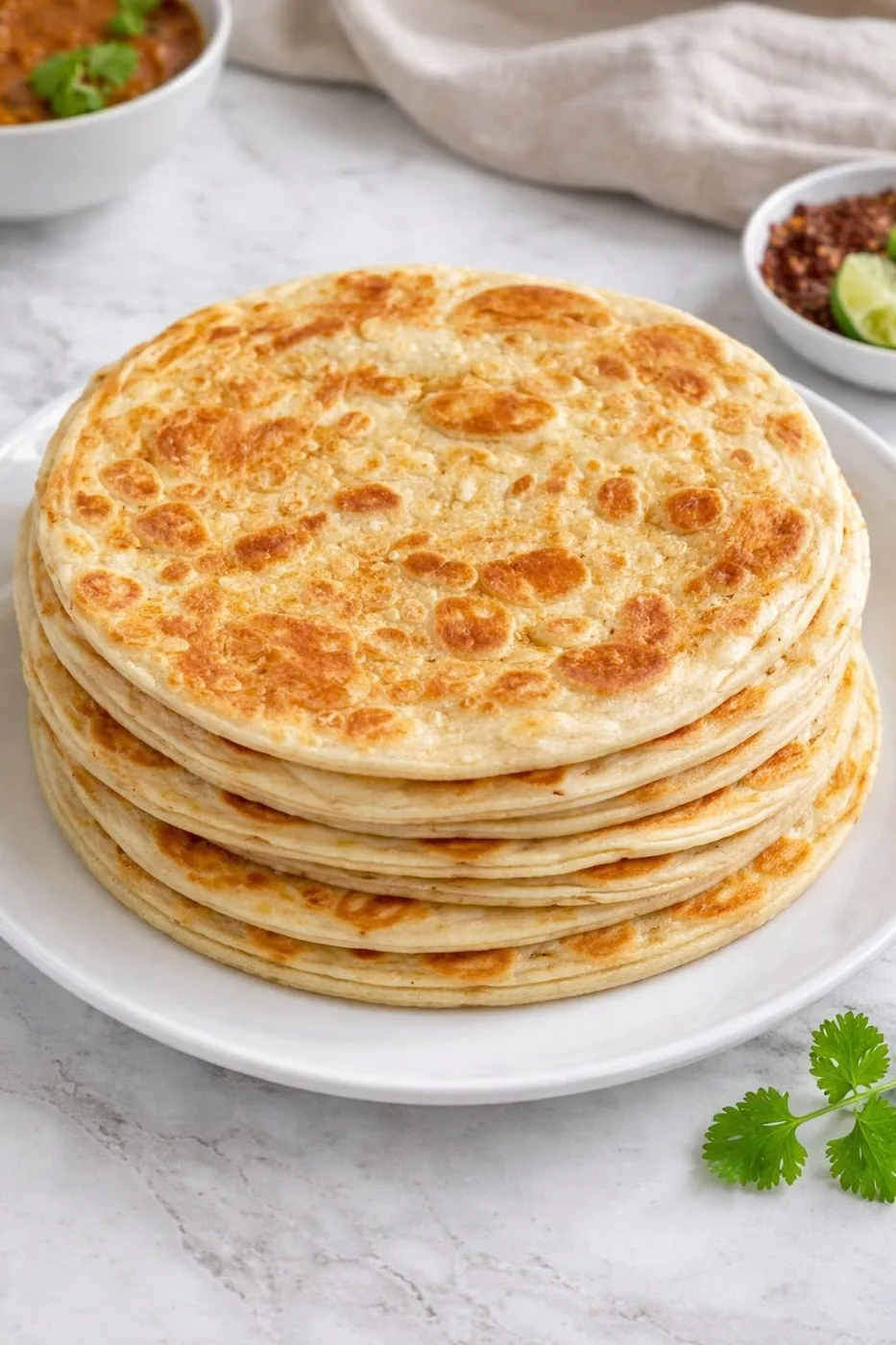
Every Kenyan household has a chapati standard, and it is high. The chapati should be soft hours later, with layers that peel apart cleanly.
Nice Extra Ngano wheat flour is milled fine and even, which gives a smooth dough that rolls thin without tearing.
Start with a soft dough
Knead for 8–10 minutes until the dough is soft, smooth and slightly tacky. A stiff dough gives hard chapati — always err on the softer side.
- 500 g Nice Extra Ngano wheat flour
- 1 teaspoon salt, 1 tablespoon sugar (optional)
- About 300 ml warm water, added gradually
- 2 tablespoons cooking oil
Rest it properly
Cover the dough and rest it for at least 30 minutes. Resting relaxes the gluten so the dough rolls thin and stays tender after cooking.
How to build the layers
- Roll each ball into a thin disc.
- Brush lightly with oil, then roll the disc into a rope.
- Coil the rope into a spiral, press flat and rest for 5 minutes.
- Roll out again and cook on a hot, dry pan, adding a little oil per side.
Common questions
Which flour is best for soft chapati?
A finely milled wheat flour such as Nice Extra Ngano. Even milling means consistent hydration, which produces a smooth dough and soft, layered chapati.
How do I keep chapati soft after cooking?
Stack them in a covered container or wrap in a clean kitchen cloth immediately after cooking. Trapped steam keeps them pliable for hours.